What to Expect During Puppy Obedience Training: A Beginner's Overview
Leading Young Puppy Obedience Training Tips for Raising a Happy, Disciplined Pet Dog
Developing a mannerly pup calls for a calculated method that includes numerous training methods. Starting the training procedure at a very early age is vital, as it lays the groundwork for excellent manners and socialization.
Begin Training Early
Beginning obedience training early is crucial for the long-lasting success of your young puppy's behavior and socialization. The formative months of a puppy's life are important for developing a foundation of appropriate actions and good manners to various stimulations. Launching training at a young age helps to shape their understanding of boundaries and acceptable behaviors, allowing them to turn into well-adjusted grown-up canines.
Throughout this beginning, pups are particularly receptive to discovering. Their brains are like sponges, taking in new information and experiences. This duration is not almost educating commands; it is additionally about socializing, subjecting your young puppy to various settings, individuals, and other pets. Favorable very early experiences can dramatically decrease the probability of behavior problems later on.
Additionally, early training can reinforce the bond between you and your young puppy, promoting trust and interaction. Routine, consistent sessions can improve your puppy's emphasis and determination to engage, setting the stage for advanced training in the future. Eventually, the investment of time and effort in early obedience training will yield long-lasting benefits, adding to a satisfying and harmonious connection with your canine friend.
Use Positive Reinforcement
Building on the foundation developed throughout very early training, making use of favorable support is an extremely efficient method for teaching your puppy obedience. This approach concentrates on rewarding preferred habits as opposed to punishing unwanted ones, cultivating a trusting relationship in between you and your animal. Positive support can include deals with, appreciation, playthings, or playtime, and must be carried out promptly adhering to the desired habits to produce a clear connection.
As an example, if your pup rests on command, using a tiny reward in addition to verbal praise strengthens that actions. It is vital to ensure that rewards are meaningful to your puppy; trying out various treats or playthings may be needed to determine what inspires them most efficiently.
In addition, the frequency of rewards may decrease as your puppy becomes much more skillful in details commands. Slowly transitioning to periodic support can help preserve the habits gradually. Bear in mind to maintain training sessions enjoyable and short, decreasing the danger of overwhelming your pup. Positive support not just boosts obedience however additionally adds to a positive training ambience, motivating your puppy to expand and discover in a supportive setting.
Be Regular and Patient
Consistency and patience are crucial aspects in successful young puppy obedience training. Developing a regular helps your young puppy understand what is anticipated of them. Uniformity in commands, incentives, and training sessions strengthens understanding and builds trust fund. For instance, utilizing the exact same command for a habits, such as "rest," guarantees that your pup links words with the action, minimizing confusion.
In addition, perseverance is crucial as young puppies are still establishing their understanding of the globe. Frustration can lead to variance in training, which can prevent your pup's development.
Furthermore, training sessions should be kept short and interesting, ideally lasting 5 to check my source 15 mins, to stop dullness and preserve emphasis. Progressively boosting intricacy can additionally assist in reinforcing found out actions. By corresponding in your technique and client with your young puppy's knowing pace, you develop a positive setting that promotes effective training and a strong bond in between you and your animal.
Mingle Your Pup
Socializing is an essential facet of puppy training that complements the consistency and patience already developed in the beginning. It involves revealing your pup to a range of environments, individuals, and other pets to foster confidence and flexibility. Proper socialization assists avoid behavior problems later in life, such as fearfulness or aggressiveness.
To start the socialization procedure, purpose to introduce your young puppy to brand-new experiences in between the ages of 3 and sixteen weeks, as this is an important period for growth. Progressively subject them to different sights, sounds, and smells, making certain that each experience is favorable. Think click for more info about organizing playdates with hospitable pets, going to pet dog parks, or enrolling in young puppy training courses that concentrate on social interactions.
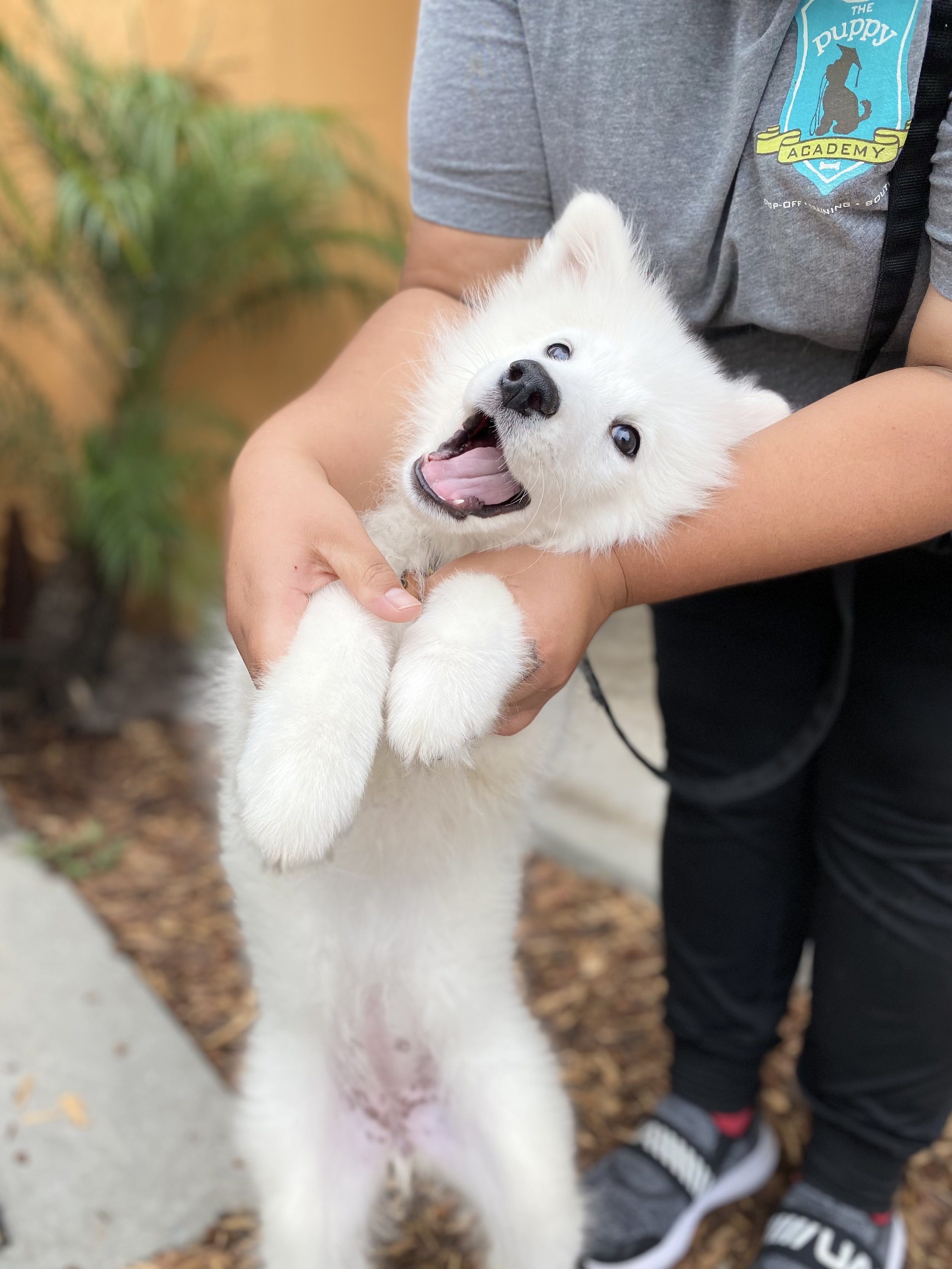
Maintain Training Sessions Enjoyable
Maintaining training sessions fun is crucial for preserving your young puppy's interest and involvement throughout the learning procedure. Pups are playful and naturally interested, so incorporating aspects of enjoyable can boost their understanding experience. Begin each session with a positive mindset and encourage your puppy's all-natural impulses to explore and play.
Make use of a selection of training techniques to maintain sessions vibrant. Incorporate games like "fetch" or "conceal and look for," which not only foster bonding however additionally strengthen commands in a lively context. Use high-value treats as incentives, making certain that your puppy continues to be thrilled and determined to discover. Vary the sorts of incentives, blending treats, praise, and play to keep passion.
Short and regular training sessions are more reliable than long term ones. Go for 5-10 minute sessions, ensuring your young puppy stays focused without coming to be fatigued. Additionally, do not shy away from incorporating exercises that enable your puppy to burn off power while learning.
Final Thought

Beginning obedience training early is vital for the long-term success of your puppy's habits and socialization.Building on the structure established during very early training, using favorable reinforcement is an extremely efficient method for teaching your puppy obedience. Positive reinforcement not only improves obedience yet also adds to a favorable training ambience, urging your young puppy to find out and expand in a helpful atmosphere.
By being consistent in your approach and patient with your young puppy's understanding pace, you produce a favorable setting that fosters efficient training and a solid bond between you and your animal.
In conclusion, early training, favorable support, uniformity, socializing, and enjoyment in training sessions are essential parts for raising a mannerly and pleased young puppy.